



















Jewelry transcends mere adornment; it conveys a personal narrative, serving as a vibrant reflection of one’s cultural identity. Cultural motifs weave together threads of history, emotion, and tradition, connecting us to our ancestors and evoking a profound sense of belonging. They stand as a tribute to the artistry of those who came before us and represent the unique stories behind our diverse heritages.
The Power of Cultural Motifs
Cultural motifs in jewelry design embody symbols that encapsulate the spirit and uniqueness of various cultures. These motifs can include intricate geometric shapes, depictions of flora and fauna, or figures from mythology and religion. They narrate the rich stories of a culture’s past, its values, and its traditions.
The significance of these motifs lies in their ability to convey deep meanings without uttering a single word. For example, the Celtic knot popular in Irish jewelry symbolizes eternal unity and the intricate connections in life. In contrast, the lotus flower common in Indian designs signifies spiritual awakening and purity.
Artistry in Cultural Jewelry Designs
The artistry behind cultural jewelry design extends beyond mere visual appeal. It requires a delicate balance between honoring traditional motifs and ensuring their relevance in today’s aesthetic landscape. Designers face the challenge of integrating these time-honored symbols into innovative, contemporary pieces that resonate with modern sensibilities.
Take, for example, Native American jewelry characterized by its use of turquoise, feathers, and animal motifs steeped in cultural significance. Contemporary designers often breathe new life into these elements, crafting pieces that honor tradition while appealing to current fashion trends.
African jewelry too is celebrated for its bold colors and striking patterns. Traditional Maasai beadwork, once exclusively vibrant and primary, has found its way into minimalist modern designs while preserving its cultural integrity.
A Blend of Tradition and Modernity
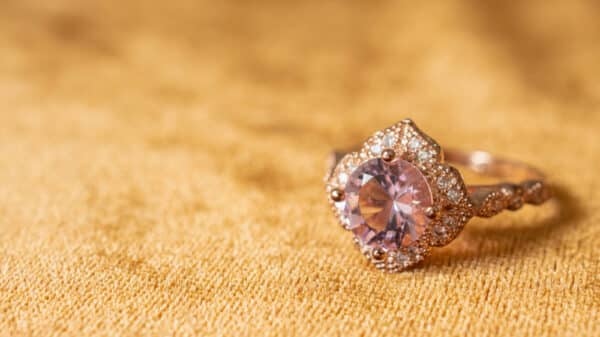
Engagement rings illustrate a stunning fusion of timeless cultural motifs and modern aesthetics. These rings symbolize love and commitment, while also serving as a canvas to express individual taste and cultural background. A Celtic-inspired engagement ring could feature elaborate knotwork representing a lasting bond, while a ring adorned with Maasai beadwork might beautifully showcase a blend of traditional craftsmanship and contemporary style.

Preserving Tradition Through Jewelry Design
Cultural motifs offer a space for creativity while simultaneously preserving tradition. Each piece of jewelry embodies a culture’s history, acting as a conduit that keeps it alive for future generations.
Take Ireland’s engagement and wedding rings, derived from traditions dating back to the 17th century, which continue to resonate today, ensuring the survival of this important cultural symbol.
Similarly, in Chinese culture, jade is cherished for its protective properties, often adorned with intricate carvings of dragons, phoenixes, and other symbols symbolizing wealth and good fortune. This timeless allure ensures that jade jewelry retains its significance even in contemporary fashion.
Final Thoughts
The intersection of artistry and tradition in jewelry design produces pieces that unfold stories and embody personal and cultural meaning. Cultural motifs connect us with our pasts, providing identity and a means to honor our heritage. They reflect human creativity and the enduring legacy of tradition.
In today’s globalized world, these motifs act as a gentle reminder of where we come from. They are more than mere adornments; they serve as living narratives of our histories and identities. As we wear such pieces, we become tangible expressions of the diversity and beauty of our cultures.